
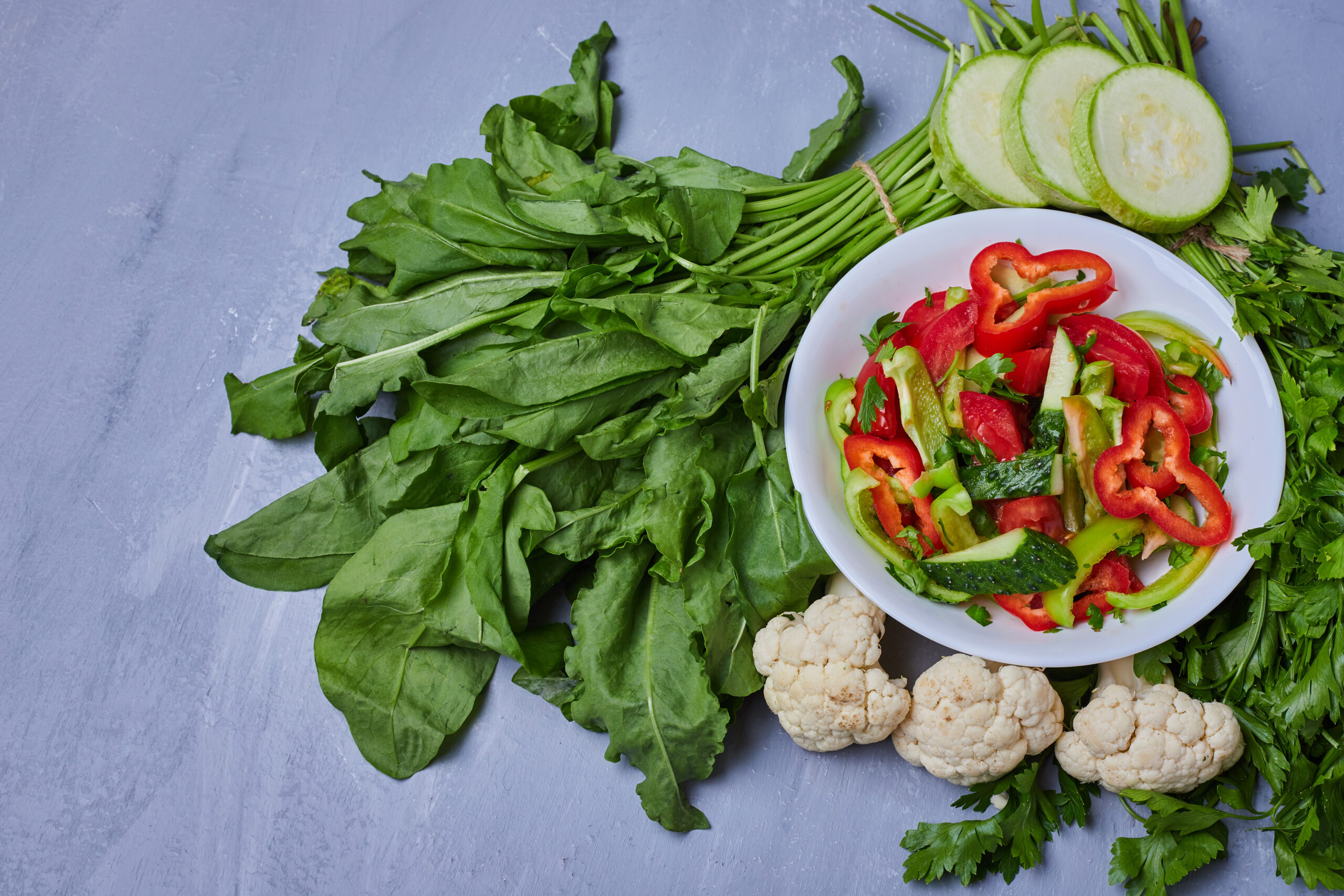
Leafy green vegetables are some of the most powerful foods you can add to your plate. Light in calories but rich in nutrients, they bring both flavor and vitality to your meals. From supporting heart health to lowering the risk of obesity, high blood pressure, and even age-related mental decline, these greens play a vital role in long-term wellness. Packed with essential vitamins, minerals, and antioxidants, they fuel your body with what it needs to function at its best.
Whether it’s the crunch of romaine, the earthy taste of kale, or the subtle spice of arugula, leafy greens offer a wide variety of options to enjoy. In this article, we’ll explore the 10 healthiest leafy green vegetables and highlight why they deserve a regular spot in your diet.
Why Leafy Greens Deserve a Place on Your Plate
Check out some of the incredible health benefits leafy greens bring to your diet:
- Packed with vitamins and minerals like vitamin A, vitamin C, calcium, iron, magnesium, and potassium.
- Support healthy vision and glowing skin through nutrient-rich compounds.
- Strengthen your immune system, helping your body fight off illness.
- Aid in weight management since they’re low in calories but high in nutrition.
- Provide powerful antioxidants that may lower the risk of heart disease and cancer.
- Deliver essential dietary fiber, keeping your digestion smooth and balanced.
- Help reduce inflammation in the body for better overall health.
- Contain chlorophyll, which helps purify the blood and boosts energy levels.
The 10 Healthiest Leafy Green Vegetables
Let’s explore the 10 healthiest leafy green vegetables and what makes each one special.
Kale
Kale is one of the most nutrient-packed leafy greens, loaded with vitamins, minerals, and powerful antioxidants. It provides a generous amount of vitamin K, vitamin A, and vitamin C, all of which are essential for bone health, immunity, and skin health.
This leafy green is also rich in antioxidants like lutein and beta-carotene, which may help protect the body against oxidative stress and reduce the risk of chronic diseases.
Kale can be enjoyed in many ways—raw in salads, sautéed as a side dish, added to soups, or blended into smoothies. Research also shows that steaming kale helps preserve most of its nutrients compared to other cooking methods like boiling or microwaving.
Broccoli
Broccoli is a nutrient-rich vegetable from the cruciferous family, which also includes cabbage, kale, and cauliflower. It’s an excellent source of vitamins C and K, along with other beneficial compounds that support immunity, bone health, and overall wellness.
What makes broccoli stand out is its content of plant compounds like indoles and isothiocyanates. Research suggests these compounds may help protect against certain types of cancer by slowing or preventing the development of tumors in organs such as the bladder, liver, stomach, and breasts.
Broccoli can be enjoyed steamed, roasted, stir-fried, or even blended into soups, making it a versatile addition to any diet.
Beet Greens
While beets are often enjoyed for their colorful roots, the leafy tops are just as nutritious—yet often overlooked. Beet greens are packed with vitamins K, A, and C, making them excellent for supporting bone health, immunity, and vision.
They’re also rich in antioxidants like lutein and zeaxanthin, which may help protect the eyes from age-related conditions such as cataracts and macular degeneration.
Beet greens can be enjoyed in a variety of ways: tossed raw into salads, blended into soups, or sautéed as a flavorful side dish.
Romaine Lettuce
Romaine lettuce is a crisp, refreshing leafy green with sturdy dark leaves and a firm rib down the center. Known as the classic base for Caesar salads, it’s one of the most popular lettuces worldwide.
This leafy green is a good source of vitamins A and K, which support vision, skin health, and strong bones. Interestingly, research suggests that adding romaine lettuce or watercress to meals may help improve blood sugar control by lowering post-meal glucose and insulin levels.
Arugula
Arugula, also known as rocket, roquette, or rucola, is a leafy green from the Brassicaceae family with a distinctive peppery flavor. Its small, tender leaves make it a popular choice for salads, sandwiches, and garnishes.
Despite its delicate size, arugula is packed with nutrients, including folate, vitamins A, C, and K. Like many leafy greens, it’s also a natural source of dietary nitrates, which the body converts into nitric oxide. This compound may help improve blood flow and support healthy blood pressure, although research on these benefits is still ongoing.
Microgreens
Microgreens are tiny but mighty—immature greens grown from the seeds of vegetables and herbs. Measuring only 1–3 inches long, these delicate plants have been popular as garnishes since the 1980s, but they offer much more than decoration.
They’re loaded with essential vitamins like C, E, and K, as well as powerful plant compounds such as beta-carotene, ascorbic acid, and phenolic antioxidants. These nutrients may help protect against disease, reduce oxidative stress, and support overall health.
Best of all, microgreens are easy to grow at home year-round, making them an accessible way to boost the nutrition of your salads, sandwiches, and smoothies.
Spinach
Spinach is one of the most popular and versatile leafy greens, easily added to soups, sauces, smoothies, and salads. It’s rich in vitamin K, vitamin A, and manganese, making it excellent for bone health, vision, and overall wellness.
This nutrient-dense green is also an outstanding source of folate, a vitamin essential for red blood cell production. Folate plays a particularly important role during pregnancy, as it helps lower the risk of neural tube defects such as spina bifida.
Turnip Greens
Turnip greens are the leafy tops of the turnip plant, a root vegetable closely related to beetroot. Surprisingly, the leaves are even more nutrient-dense than the root itself, offering a wide range of vitamins and minerals, including calcium, vitamins A, C, E, and K, as well as folate.
With their strong, slightly spicy flavor, turnip greens are most often enjoyed cooked rather than raw. As a cruciferous vegetable, they also contain plant compounds that may help lower the risk of chronic conditions such as heart disease and certain types of cancer.
Bok Choy
Bok choy, also known as Chinese cabbage, is a versatile leafy green widely used in Asian cuisine. It’s rich in essential nutrients, providing vitamins A, C, K, and folate—all of which support immunity, bone health, and overall wellness.
With its crisp white stalks and dark green leaves, bok choy adds both texture and flavor to meals. It’s especially delicious in soups, stir-fries, and noodle dishes, but can also be enjoyed lightly sautéed or steamed as a simple side.
Peas
Peas are a naturally sweet and starchy vegetable that offer an impressive mix of nutrients. They provide plant-based protein, fiber, and a variety of vitamins, including A, C, K, and several B vitamins. This makes them especially valuable for those following vegetarian or vegan diets.
The high fiber content in peas supports healthy digestion by feeding beneficial gut bacteria and promoting regular bowel movements. They also contain saponins, powerful plant compounds that may help protect the body against oxidative stress and lower the risk of certain cancers.
Peas can be enjoyed in countless ways—added to soups, stews, stir-fries, salads, or simply served as a wholesome side dish.
How to Add Leafy Greens to Your Diet
Leafy greens bring freshness, flavor, and nutrition to any meal. If you’re looking for simple and tasty ways to include more greens in your daily routine, here are a few ideas to get you started:
- Easy sautéed greensKale, Swiss chard, and spinach taste amazing when quickly sautéed in olive oil with garlic and a pinch of red pepper flakes. Finish with grated Parmesan for a savory side dish that’s ready in minutes.
- Make a kale saladTear kale leaves from the stem, toss with oil, vinegar, and spices, then let it sit to soften. The result? A nutrient-packed salad that’s both hearty and delicious.
- Add greens to soupCabbage, kale, spinach, or Swiss chard are excellent additions to soups. Spinach works well in minestrone, while cabbage complements Asian-inspired broths.
- Leafy greens for breakfastSpinach is the easiest to add to your morning meal. Simply wilt it in a pan and mix into scrambled eggs, omelets, or quiche. Just remember to squeeze out excess water before cooking.
- Swap them into everyday mealsUse shredded cabbage instead of lettuce in tacos for extra crunch and nutrition. Baby spinach or finely shredded cabbage also make a healthier salad base compared to plain lettuce.
- Cook with herbsDon’t overlook leafy herbs! Basil, cilantro, parsley, oregano, and sage are loaded with vitamins and antioxidants, adding both nutrition and flavor to your dishes.
Conclusion
Leafy greens are some of the most nutrient-dense foods you can eat, offering vitamins, minerals, and antioxidants that support overall health. From kale and spinach to bok choy and arugula, each brings unique benefits and flavors to your meals. By adding a variety of leafy greens to your daily diet—whether in salads, soups, or stir-fries—you’ll nourish your body and take a simple step toward long-term wellness.