Maintaining a balanced diet can feel like an uphill battle. With countless eating plans and trendy diets to choose from, simply figuring out which one is right for you is overwhelming enough. And even after you’ve committed to a plan, sticking with it day after day often comes with its own challenges.
The truth is, healthy eating doesn’t have to mean giving up your favorite foods or following rigid rules that drain your motivation. In fact, with the right strategies, it’s possible to make sustainable choices that actually fit into your lifestyle.
In this guide, we’ll explore practical ways to troubleshoot when your eating plan feels like it’s no longer working. More importantly, you’ll discover simple yet powerful approaches to repair your diet, restore balance, and build habits that last—for yourself or for others you want to help.
8 Easy Steps to fix your broken diet
These 8 simple steps will help you build healthier, more sustainable eating habits while getting your diet back on track.”
1. Eat More Whole Foods
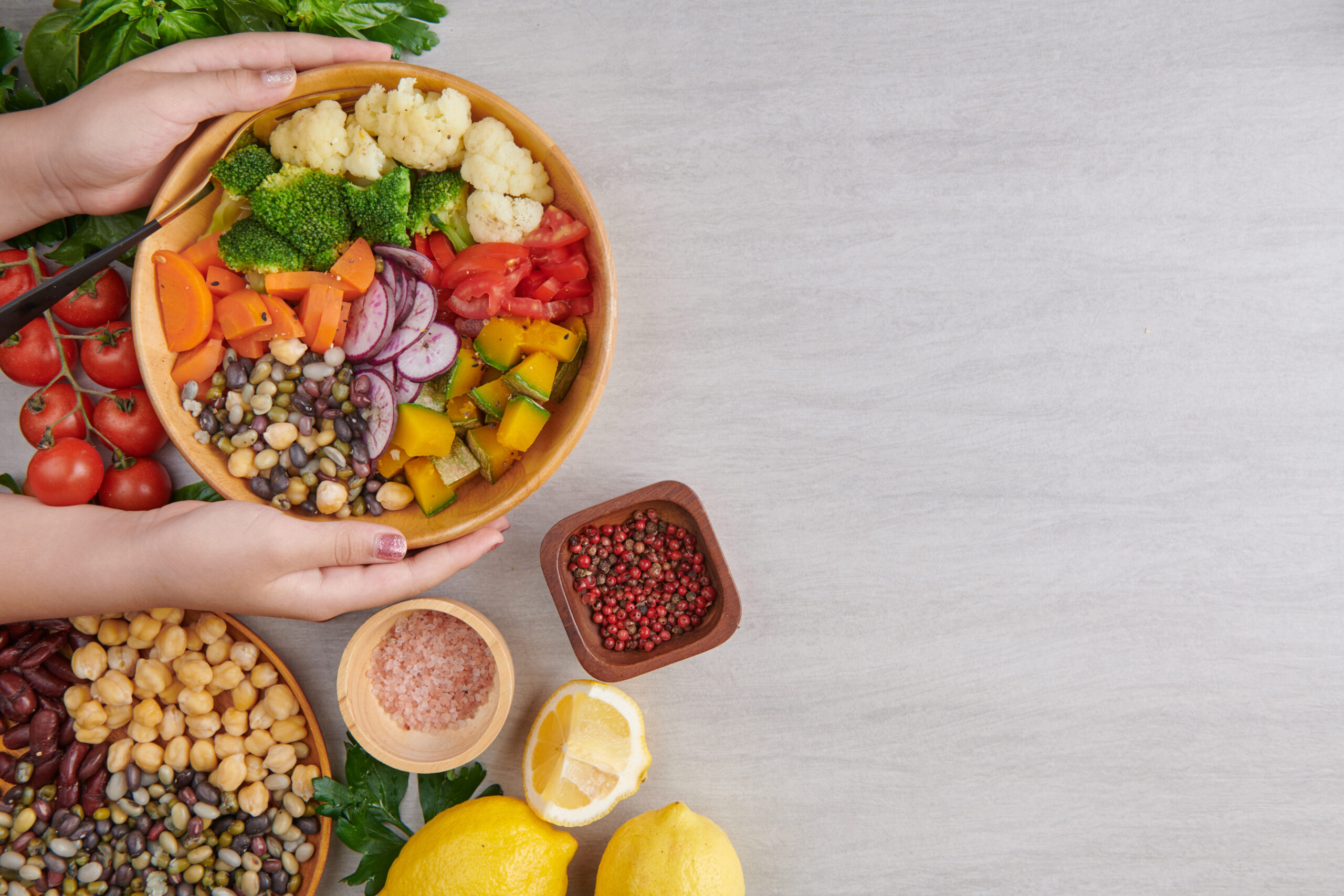
The foundation of a balanced diet is simple: focus on whole, minimally processed foods. These include:
- Fruits and vegetables
- Legumes (beans, lentils)
- Whole grains (oats, brown rice, quinoa)
- Nuts and seeds
- Eggs and dairy
- Fresh animal proteins
These foods deliver fiber, vitamins, and minerals that support gut health and lower the risk of chronic disease. In contrast, ultra-processed foods—like chips, candy, and sodas—are linked to inflammation and long-term health problems.
2. Think Twice Before Crash Dieting
Before starting any diet, ask yourself: “Can I keep this up long term?” If the answer is no, you’re likely considering a crash diet.
Crash diets often involve:
- Extreme calorie restriction
- Quick but short-lived weight loss
- A high risk of regaining lost weight
Research shows that most restrictive diets—from keto to Atkins—rarely deliver lasting results. Instead of chasing rapid weight loss, focus on building healthy, sustainable habits. In the long run, the routines you create around balanced eating matter far more than the number on the scale.
3. Surround Yourself with Healthy Foods
Studies show that people today consume more ultra-processed foods than ever before. These are products made through industrial processing and often contain additives like sweeteners, stabilizers, and preservatives to enhance flavor and shelf life.
Examples include:
- Fast food
- Frozen dinners
- Sugary drinks and juices
Not only are these foods convenient and tasty, but research suggests that simply being around them can influence your brain chemistry and eating behavior.
Instead of relying on restriction, stock your kitchen with nutrient-dense, whole foods. Having fruits, vegetables, whole grains, and other wholesome options within reach makes it easier to choose nutritious meals and snacks more often.
4. Avoid an All-or-Nothing Mindset
One common roadblock to healthier eating is falling into the “all-or-nothing” trap. For example: “I already had cake at the office, so I might as well skip cooking and order takeout tonight.”
This way of thinking labels choices as strictly “good” or “bad” and can easily derail progress.
Instead, treat each food decision as separate. One indulgence doesn’t need to spiral into a day of poor choices. Building confidence in your ability to make balanced decisions is linked to better long-term health outcomes.
5. Be Patient With Yourself
Building a healthier diet takes time — it’s a marathon, not a sprint. Some days will feel easier than others, and that’s okay.
Focus on setting realistic expectations, staying consistent, and adjusting when needed. With patience and persistence, your habits will gradually move in the right direction.
6. Savor Your Favorite Foods
Cutting out your favorite treats completely can backfire by making cravings stronger. Research even shows that relearning fullness cues — instead of strict restriction — can reduce cravings and support weight loss.
Instead of banning these foods, enjoy them:
- Occasionally — treat them as special, not daily.
- In smaller portions — savor the taste without overdoing it.
This way, you can maintain balance while still enjoying the foods you love.
7. Learn the Right Diet for You
There’s no one-size-fits-all when it comes to healthy eating. What works for one person may not work for another because of factors like:
- Genetics
- Health needs
- Work or family routines
- Cultural traditions
The best diet is the one that makes you feel good, fits your lifestyle, and can be sustained long term.
8. Monitor Your Progress
Keeping track of your diet and lifestyle changes can make a big difference in staying on course. Research shows that self-monitoring — whether through apps, journals, or even simple notes — helps people stick to their goals and recognize patterns in their habits.
Some practical ways to monitor include:
- Food journaling: Write down what and when you eat to spot habits or triggers.
- Tracking tools: Use apps or web-based platforms to log calories, nutrients, water intake, and physical activity.
- Regular check-ins: Weigh yourself weekly, track waist circumference, or measure fitness improvements.
- Health reflections: Notice how your diet affects energy, mood, sleep, or concentration.
Remember, progress is more than just numbers on a scale. Improved digestion, better sleep, sharper focus, or simply feeling stronger and healthier are all signs your balanced diet is working.
Conclusion
A balanced, sustainable diet isn’t about strict rules or deprivation. By choosing whole foods, setting realistic goals, and staying consistent, you can build lasting habits that support both your health and well-being. The key is finding what works for you and making it a lifestyle, not a quick fix.