Healthy eating doesn’t have to be complicated or restrictive. You can nourish your body, boost your energy, and still enjoy the foods you love without obsessing over calories or strict food rules. Food should be appreciated — not feared, counted, or weighed. In reality, building healthier habits is about making small, consistent choices that fit your lifestyle, not overhauling your entire diet overnight. This guide will show you how to create balance, focus on nourishment, and enjoy eating in a way that feels both satisfying and sustainable.
Whether you’re just beginning your healthy eating journey or looking for fresh, realistic ideas, this guide will help you understand what truly matters. You’ll learn how to balance your calorie intake with your activity level, eat from a variety of food groups for proper nutrition, and make mindful swaps that promote long-term health. From simple meal strategies to everyday tips for staying on track, we’ll break down what healthy eating looks like — in real life.
Why Does Eating Healthy Matter?
Eating healthy matters because food is the foundation of your overall well-being. It fuels your body with the calories and nutrients it needs to function, grow, and repair itself. When your diet lacks essential nutrients or falls short of your energy needs, it can lead to fatigue, poor immunity, and other health problems. Conversely, consuming more calories than your body uses can result in weight gain and increase your risk of chronic diseases.
Excess body weight is linked to a higher likelihood of developing conditions such as:
- Type 2 diabetes
- Obstructive sleep apnea
- Heart disease
- Liver disease
- Kidney disease
However, it’s not just about how much you eat — what you eat matters just as much. Studies show that diets high in ultra-processed foods are associated with:
- Increased risk of premature death
- Greater likelihood of heart disease and certain cancers
- Higher rates of depressive symptoms, especially in people who exercise less
On the other hand, diets rich in whole, nutrient-dense foods — like the Mediterranean diet, which emphasizes vegetables, fruits, nuts, fish, and whole grains — are linked to longer life expectancy, better heart health and Reduced risk of chronic diseases.
If your meals mostly consist of processed foods and sugary drinks rather than whole, natural ingredients, your body may not be getting enough essential nutrients. Over time, this imbalance can negatively affect your physical health, energy levels, and even your mood.
Healthy Eating Guide for Beginners
If you’re new to healthy eating, don’t worry — it’s simpler than it sounds. The key is to start small and make gradual, sustainable changes rather than trying to transform your entire diet overnight. Small steps can lead to big results when practiced consistently.
Steps to Get Started with Healthy Eating:
Step 1: Start with one change at a time
Begin with simple swaps that are easy to stick with. For example, replace sugary sodas with water or herbal tea, or add a serving of vegetables to every meal. These little adjustments can make a noticeable difference over time.
Step 2: Set realistic goals
Avoid fad diets or extreme restrictions that are hard to maintain. Instead, focus on creating long-term habits — like cooking more at home, eating balanced portions, and listening to your body’s hunger cues.
Step 3: Educate yourself about nutrition
Learn the basics of how different foods nourish your body. Understanding concepts like macronutrients, portion sizes, and nutrient density can help you make informed food choices that support your health and lifestyle.
Tips for healthy eating
These practical tips cover the fundamentals of healthy eating and can guide you toward making smarter, more balanced food choices. Remember, the goal is not just to eat “healthy” but to eat in a way that matches your body’s needs.
The key to maintaining a healthy diet is balance — eating the right amount of calories based on how active you are. This helps ensure that the energy you consume aligns with the energy your body uses. When you eat or drink more than your body requires, the excess energy is stored as fat, leading to weight gain. Conversely, consuming too little can cause unwanted weight loss and deprive your body of essential nutrients. So, below are some tips for healthy eating;
1. Base Your Meals on High-Fibre Starchy Carbohydrates
Starchy foods like potatoes, bread, rice, pasta, and cereals should make up just over a third of your diet. Opt for higher-fibre or wholegrain varieties such as brown rice, wholewheat pasta, or potatoes with their skins on — they provide more fibre and help you stay full for longer. Aim to include at least one starchy food with every main meal. Despite common belief, starchy foods aren’t fattening; gram for gram, they contain less than half the calories of fat.
2. Eat Plenty of Fruit and Vegetables
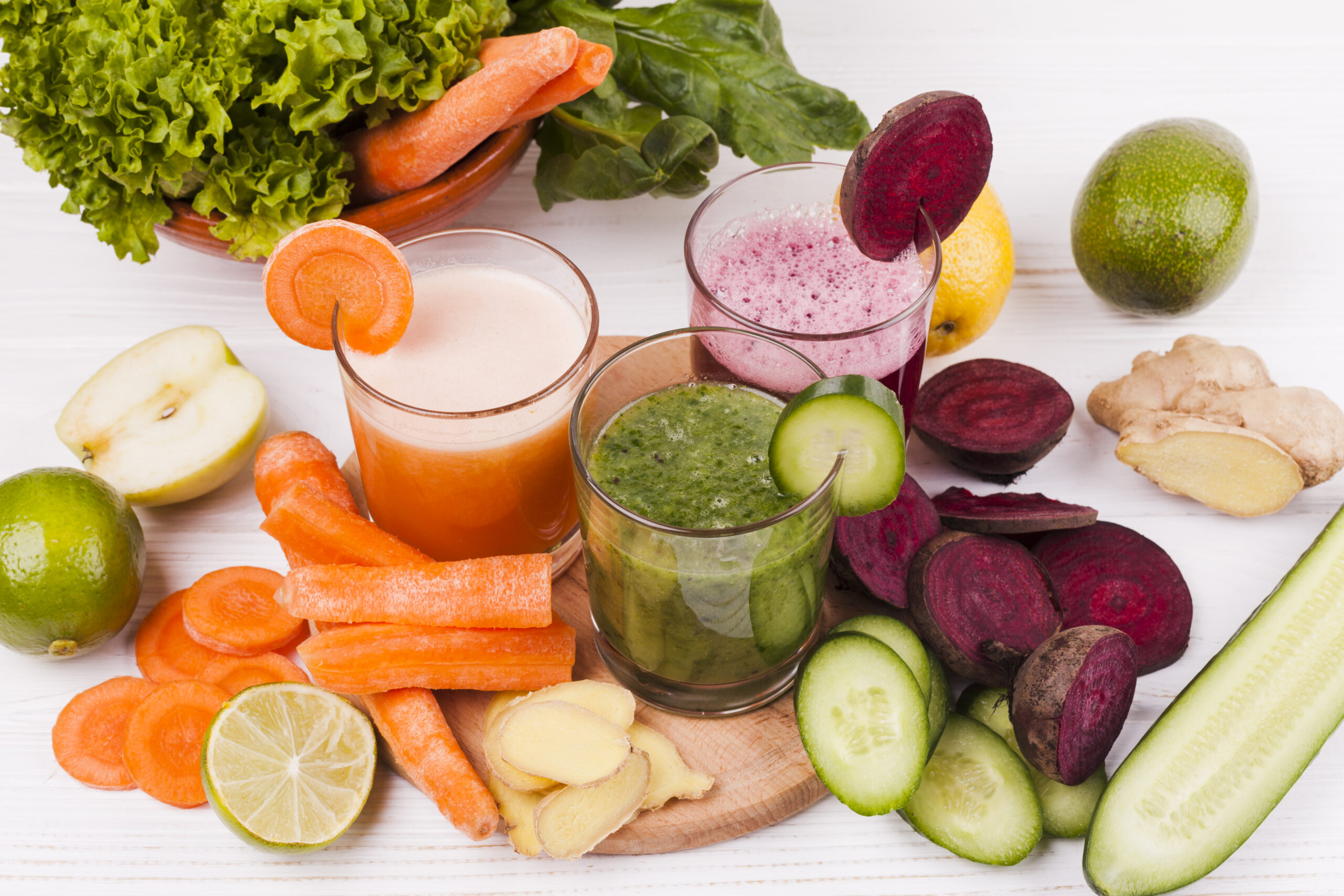
Aim to eat at least five portions of fruit and vegetables every day — fresh, frozen, canned, dried, or juiced all count. Getting your “5 A Day” is easier than you think: add sliced banana to your breakfast cereal or swap a mid-morning snack for a piece of fruit.
A portion equals 80g of fresh, canned, or frozen produce, or 30g of dried fruit (best enjoyed at mealtimes). A 150ml glass of fruit juice, vegetable juice, or smoothie also counts as one portion, but limit it to a single glass per day since these drinks can be high in sugar and may harm your teeth.
3. Eat More Fish, Including Oily Fish
Fish is an excellent source of protein and packed with essential vitamins and minerals. Aim to eat at least two portions of fish each week, including one portion of oily fish, which is rich in omega-3 fats that help protect against heart disease.
Examples of oily fish: salmon, trout, herring, sardines, pilchards, and mackerel.
Examples of non-oily fish: haddock, plaice, coley, cod, tuna, skate, and hake.
You can enjoy fish fresh, frozen, or canned — just be mindful that canned and smoked varieties can be high in salt. While most people should eat more fish, certain types should be limited based on mercury and other content recommendations.
4. Cut Down on Saturated Fat and Sugar
Saturated Fat
Fat is essential in your diet, but too much saturated fat can raise cholesterol and increase the risk of heart disease. Men should eat no more than 30g a day, and women no more than 20g. Children need less, though a low-fat diet isn’t suitable for those under 5.
Foods high in saturated fat include fatty meats, sausages, butter, cheese, cream, cakes, biscuits, lard, and pies. Choose unsaturated fats instead — found in vegetable oils, oily fish, and avocados. Use small amounts of olive or vegetable oil instead of butter or ghee, and opt for lean cuts of meat. All fats are high in calories, so enjoy them in moderation.
5. Sugar
Regularly eating or drinking foods high in sugar increases the risk of obesity and tooth decay. Sugary foods are often high in calories and can cause weight gain, especially when consumed frequently or between meals.
Focus on cutting down free sugars — those added to foods or found naturally in honey, syrups, fruit juices, and smoothies — rather than the natural sugars in fruit and milk.
Common sources of free sugars include fizzy drinks, sweetened cereals, cakes, biscuits, pastries, sweets, chocolate, and alcoholic drinks. Check food labels to make informed choices:
- High in sugar: more than 22.5g per 100g
- Low in sugar: 5g or less per 100g
- Eat Less Salt — No More Than 6g a Day
Too much salt can raise your blood pressure, increasing the risk of heart disease and stroke. Even if you don’t add salt to your meals, you might still be eating more than you realize — about three-quarters of the salt in our diet comes from processed foods like breakfast cereals, soups, bread, and sauces.
Use food labels to check your intake: foods with more than 1.5g of salt per 100g are considered high in salt. Adults and children aged 11 and above should have no more than 6g per day (about one teaspoon), while younger children need even less.
5. Get Active and Maintain a Healthy Weight
Along with healthy eating, regular exercise supports overall well-being and helps reduce the risk of type 2 diabetes, heart disease, stroke, and some cancers.
Maintaining a healthy weight is crucial — being overweight or underweight can both harm your health. Most adults can manage their weight by eating fewer calories and staying active. Use a BMI calculator to check your healthy range, and try tools like the NHS 12-week weight loss plan for balanced guidance. If you’re underweight or concerned about your weight, speak with a GP or dietitian for personalized advice.
Conclusion
Healthy eating isn’t about strict rules or perfection — it’s about balance, variety, and consistency. By making small, mindful choices and staying active, you can build habits that support your long-term health and well-being. Remember, every healthy choice adds up, so start where you are and keep moving forward.