Eating a healthy, balanced diet is essential for overall wellbeing, and the Eatwell Guide offers a clear picture of how to achieve this. It highlights the different types of food and drinks we should include in our meals and the proportions they should make up over the course of a day or week.
A key part of this balance comes from fruit and vegetables, which should account for just over a third of what we eat. With at least five portions daily—whether fresh, frozen, tinned, dried, or in small amounts of juice or smoothies—fruit and veg provide the vitamins, minerals, and fibre our bodies need.
While the guide applies to most people, it makes exceptions for children under two, who have unique nutritional needs. From ages two to five, children are encouraged to gradually adopt the same balanced diet as the rest of the family. For those with medical conditions or specific dietary requirements, the Eatwell Guide can be adapted with the help of a registered dietitian. Ultimately, it serves as a practical framework to help us make healthier choices and enjoy a varied diet that supports long-term health.
Is the Eatwell Guide Right for You?
The Eatwell Guide is designed to suit most people, no matter their weight, dietary preferences, or cultural background. However, it does not apply to children under the age of two, as they have unique nutritional needs. From ages two to five, children should gradually transition to eating the same balanced diet as the rest of the family, following the proportions outlined in the guide.
For individuals with specific medical conditions or dietary requirements, the Eatwell Guide can be adapted to meet personal needs. In such cases, it’s best to seek advice from a registered dietitian to ensure you’re still meeting all the essential nutritional requirements.
How Does the Eatwell Guide Work?
The Eatwell Guide groups the foods and drinks we consume into five main categories. To stay healthy, it’s important to choose a variety of foods from each group so your body gets the wide range of nutrients it needs.
While some fat is necessary in the diet, foods high in fat, salt, and sugar are placed outside the main Eatwell Guide. These foods are not essential for good health and should be eaten only occasionally and in small amounts. Unsaturated fats from plant sources—such as vegetable oil or olive oil—are healthier options, but all fats are high in calories, so moderation is key.
On average, women need about 2,000 calories a day (8,400 kJ), while men need around 2,500 calories a day (10,500 kJ). However, individual energy needs vary depending on factors such as age, body size, and physical activity levels. Learning how to read food labels can also help you make better choices, such as picking options lower in fat, sugar, and salt.
The 5 Main Food Groups
The Eatwell Guide divides everything we eat and drink into five main groups, each playing an important role in maintaining a healthy diet:
- Fruit and vegetables
- Potatoes, bread, rice, pasta, and other starchy carbohydrates
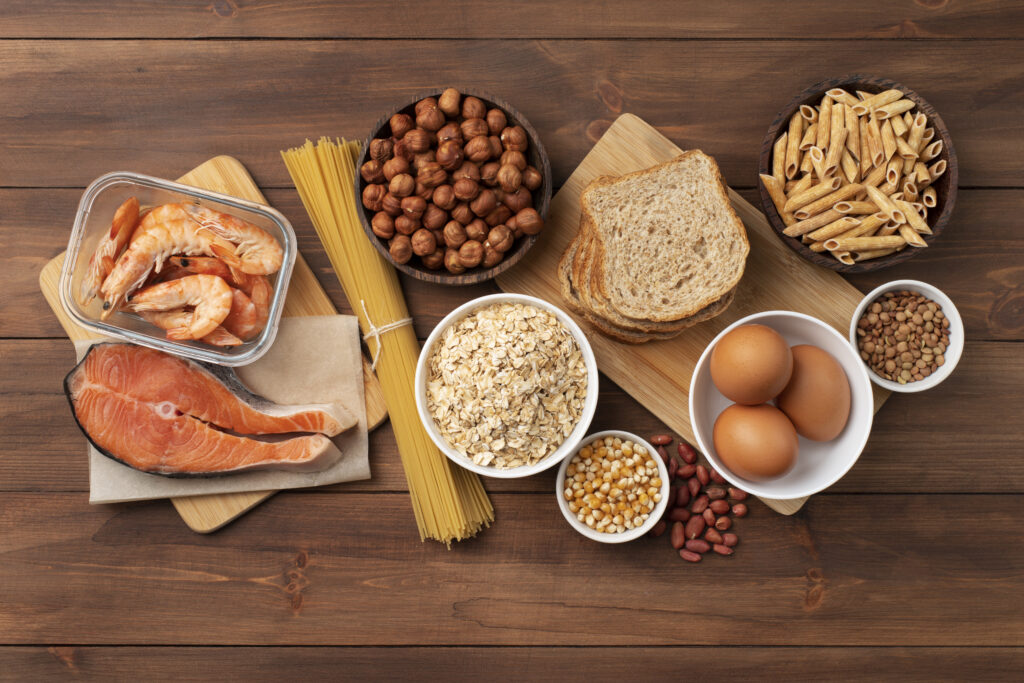
- Beans, pulses, fish, eggs, meat, and other proteins
- Dairy and alternatives
- Oils and spreads
Including a variety of foods from each group is key to getting the right balance of nutrients your body needs for energy, growth, and overall health.
How Can the Eatwell Guide Help?
The Eatwell Guide provides a simple way to understand what a healthy, balanced diet should look like. It highlights the main food groups and the proportions they should make up in your daily meals. By following its recommendations, you can ensure your body gets the right balance of nutrients to stay healthy and energized.
Key guidelines from the Eatwell Guide include:
- Eat at least five portions of fruit and vegetables each day for essential vitamins, minerals, and fibre.
- Base meals on starchy foods like potatoes, bread, rice, or pasta—preferably wholegrain versions for more fibre.
- Include some dairy or dairy alternatives, such as milk or fortified soya drinks, choosing lower-fat and lower-sugar options.
- Eat protein-rich foods such as beans, pulses, fish, eggs, or meat. Aim for at least two portions of fish a week, including one oily fish.
- Use unsaturated oils and spreads but keep them in small amounts.
- Stay hydrated with 6–8 cups or glasses of fluid a day.
- Limit foods high in fat, salt, or sugar, keeping them as occasional treats rather than daily staples.
By putting these tips into practice, the Eatwell Guide can help you make healthier choices and maintain a balanced lifestyle.
How to Apply the Eatwell Guide
You can use the Eatwell Guide to make healthier choices when:
- planning what to eat
- cooking or preparing meals at home
- food shopping
- eating out or on the go
Since most meals are made up of a mix of food groups, think about the main ingredients and how they fit into the five groups. This will help you keep meals balanced and aligned with the guide’s recommendations.
Conclusion
The Eatwell Guide is a simple yet powerful tool to help you build a healthy, balanced diet. By choosing a variety of foods from the five main groups, keeping treats in moderation, and staying mindful of portions, you can make everyday choices that support long-term health and wellbeing.