When it comes to building healthier habits, awareness is often the first step. A simple food log offers a clear snapshot of your daily and weekly intake, helping you see not just where you may be slipping, like drinking too many sugary beverages, but also the positive choices worth celebrating, such as reaching for nutrient-rich snacks.
Research suggests that people who monitor their meals are often more successful at achieving weight loss goals than those who don’t, and it’s easy to see why. By recording your meals as close to mealtime as possible, you gain an honest perspective on both your strengths and areas for improvement. A food diary isn’t about restriction; it’s about awareness. It becomes a guide to spotting patterns, setting realistic goals, and reinforcing the healthy habits you want to keep.
How to Start Tracking Your Diet Progress
Before you dive into food tracking, it helps to be clear about why you’re doing it. Take a moment to think about your personal health goals and write them down. Are you aiming to:
- Lose weight?
- Cut back on sodium?
- Reduce cholesterol?
- Lower your blood pressure?
Knowing your “why” gives your tracking purpose and helps you stay motivated when the novelty wears off.
Choose Your Tracking Method
Once you’ve identified your goals, the next step is setting up a food diary. This doesn’t have to be complicated—choose a format that works best for you:
- A simple notebook or paper journal
- Notes on your computer or phone
- A food tracking website or mobile app
The method matters less than being consistent.
Record the Right Details
When filling out your diary, don’t just record the food itself. For more insight, include:
- What you ate and drank
- The time you had it
- Portion sizes
- What you were doing (working, watching TV, commuting, etc.)
- How you were feeling (hungry, tired, stressed, bored, etc.)
These extra details can reveal patterns behind your choices, such as emotional eating or distracted snacking.
Tailor Your Tracking to Your Goals
Finally, tailor your tracking to your health goals by focusing on nutrients that matter most to you. For example:
- Counting calories if you want to lose or maintain weight
- Monitoring sodium if you’re managing blood pressure
- Watching saturated fat and cholesterol to support heart health
- Tracking fiber intake to improve digestion and overall nutrition
By combining food records with context, your diary becomes more than just a log of meals—it turns into a powerful tool for spotting habits, making adjustments, and staying accountable on your wellness journey.
Review and Reflect Weekly
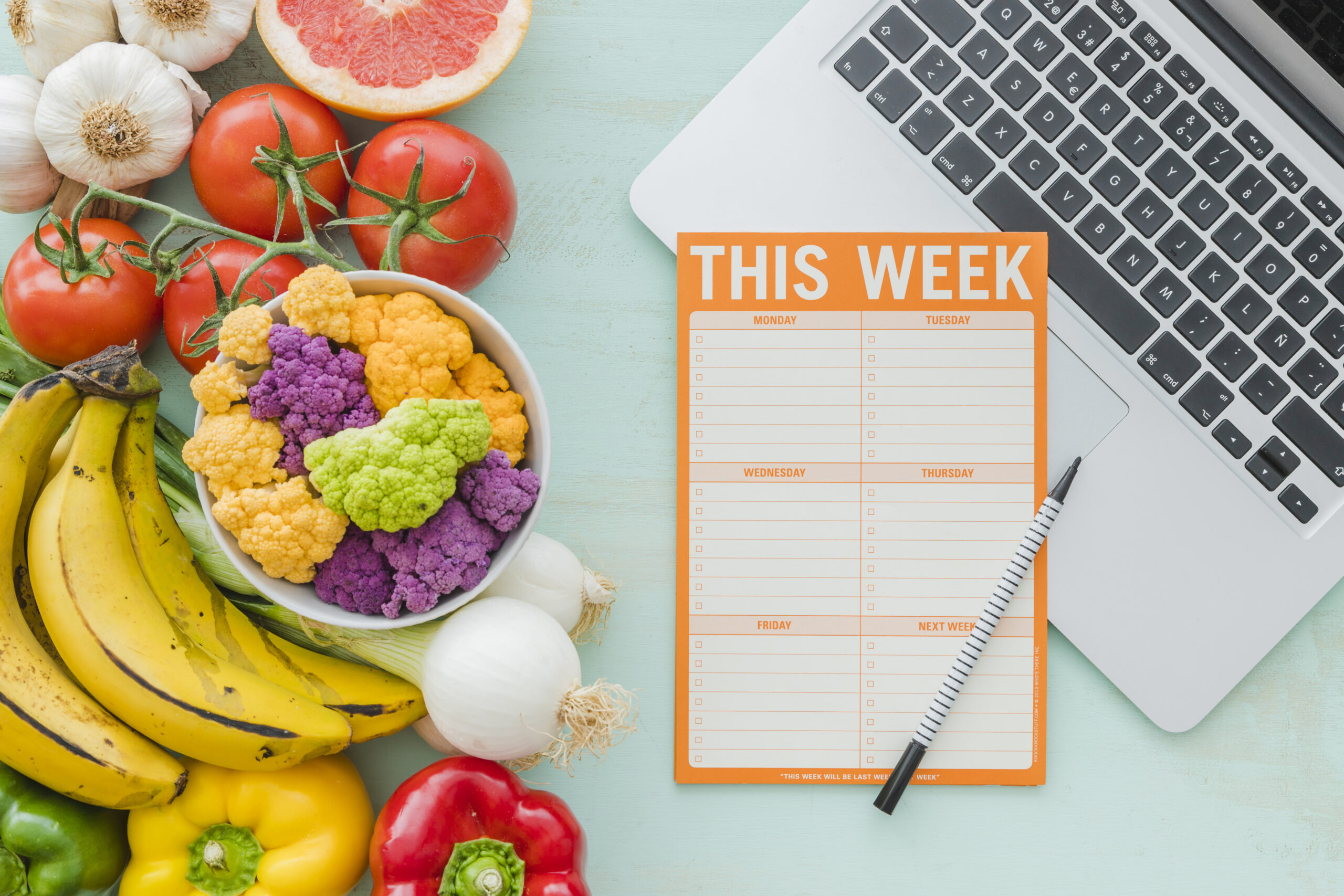
Tracking is only half the journey—the real progress comes from reviewing your diary at the end of each week. This reflection helps you see where you’re thriving and where adjustments are needed. Ask yourself:
- Am I meeting my goals?
- Do I notice patterns or triggers? (e.g., afternoon cravings, late-night snacking)
- What obstacles are standing in my way?
For example, maybe you realize that every afternoon you reach for the vending machine. Instead of fighting the habit head-on, replace it with a healthier routine:
- Pack nutritious snacks from home, such as plain unsalted nuts or unsweetened dried fruit.
- Keep portable fruits—like grapes, an apple, or a banana—at your desk or in your bag.
- Prepare snacks in advance so healthier choices are always within reach.
By making small, consistent swaps, you start building new habits that support your goals instead of sabotaging them.
And remember—don’t try to fix everything at once. Focus on one barrier at a time. Small, steady changes are easier to maintain and lead to lasting success.
Explore Tools and Apps
If keeping a traditional food diary feels overwhelming, digital tools can make the process easier and more engaging. There are countless apps and websites designed to support healthy eating habits, each offering unique features. For example:
- Detailed food diaries with calorie and nutrient breakdowns
- Barcode scanning for quick and accurate logging
- Pattern spotting to highlight when and why you tend to eat a certain way
- Mindful eating apps that focus on meal timing, hunger cues, or portion control
- Visual food diaries that let you log meals through photos instead of words
Popular options like Nutracheck and MyFitnessPal are widely used and well-reviewed, making them a helpful starting point. However, it’s important to remember that while these tools are effective for many people, they are not officially endorsed by UK public health bodies.
The key is to experiment and find a tool that fits your lifestyle—one that makes tracking feel less like a chore and more like a natural part of your routine.
The NHS Food Scanner App and Change4Life Smart Recipes website are free resources that can support healthier habits. While they don’t track your meals, the Food Scanner helps you find healthier swaps when shopping, and Change4Life offers simple, balanced recipe ideas for everyday use.
If you’re using a diary or tracking tool, consistency is key. Record everything you eat and drink, including snacks and small bites. This gives you an honest picture of your eating patterns, helping you spot unhelpful habits while strengthening the positive ones.