Let’s be honest, every trip to the grocery store feels a little heavier on the wallet these days. Inflation has pushed food prices up in the past year, with essentials like eggs, beef, and milk seeing some of the steepest jumps. What used to be a $500 grocery run can now easily cost around $560—and that’s before you even think about the price of eating out.
Over the past few years, grocery costs have climbed roughly 21%, and it’s something nearly everyone has felt. But while these rising prices might seem out of your control, there are still plenty of smart ways to stretch your budget without sacrificing nutrition or flavor. With a bit of planning, strategy, and know-how, you can make your grocery money go further—no matter how squeaky the shopping cart wheels get.
10 Ways to Lower Your Grocery Bill as Prices Increase
In this article, we’ll explore 10 practical ways to lower your grocery bill and keep your kitchen stocked with wholesome meals, even as prices continue to climb.
1. Make a Plan
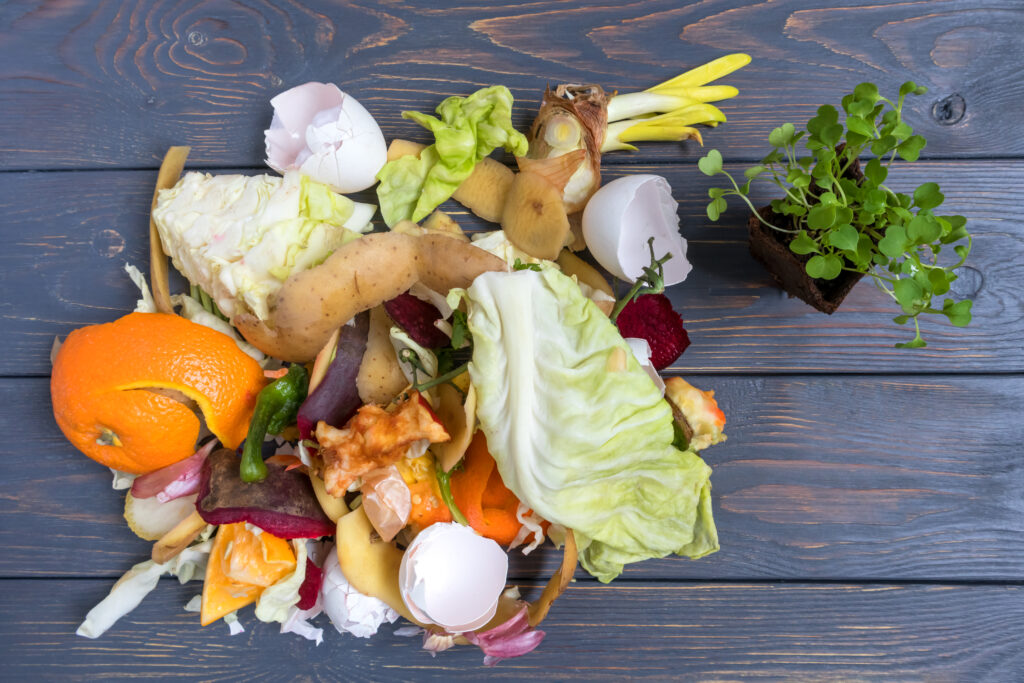
Planning ahead is one of the easiest ways to save money on groceries. A simple list helps you avoid impulse buys, ensures you use what you already have, and cuts down on waste—especially since households waste about 30% of the food they buy.
By planning meals for the week, you’ll be more likely to cook at home instead of ordering takeout. It doesn’t have to be complicated—just jot down a few recipes and shop for only what you need.
2. Be Picky with Produce
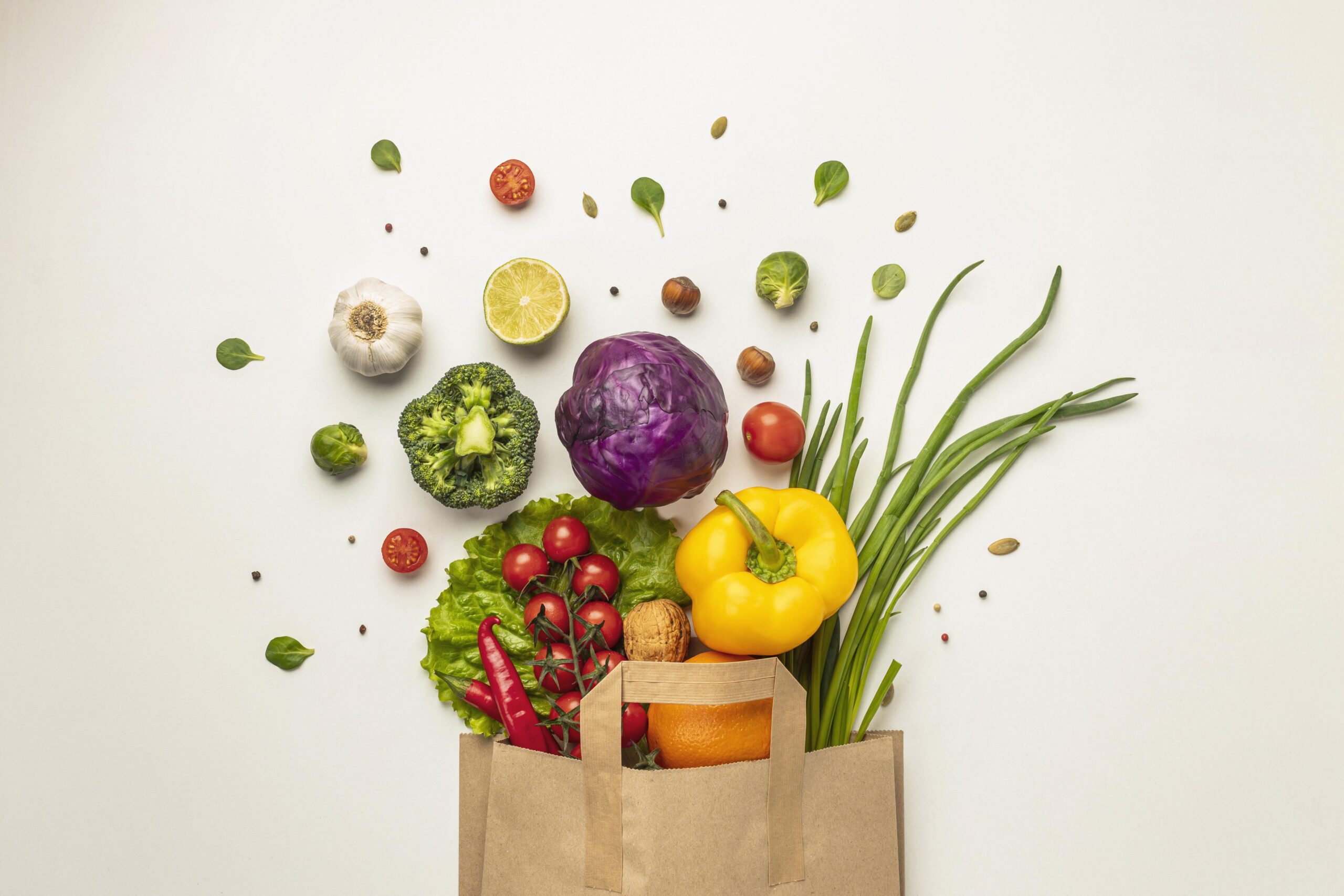
Fruits and vegetables are essential, but they don’t have to break your budget. Save money by choosing frozen, canned, or dried options, which still provide plenty of vitamins, minerals, and fiber—just watch for added sugar or salt. Swap pricey produce for cheaper alternatives, like using cabbage instead of salad greens or frozen berries instead of fresh. And make sure to eat what you buy—use delicate produce first, or add anything nearing its end to soups, stir-fries, or omelets to avoid waste.
3. Grow Your Own
If you use a lot of herbs or vegetables in your cooking, consider starting a small kitchen garden. Growing your own produce saves money in the long run and gives you access to fresh, flavorful ingredients right at home.
4. Head to the Source
Buy closer to the source to cut costs. Farmers’ markets and wholesale outlets often offer fresher produce at lower prices than supermarkets, and you can save even more by picking up “imperfect” items that are just as tasty once trimmed or peeled.
5. Buy in Bulk
For shelf-stable or frequently used items, buying in bulk can lead to big savings. Always check the unit price to make sure you’re actually getting a better deal—for instance, divide the price of a box of 12 canned tomatoes by 12 to compare it with the single-can cost.
6. Shop the Season
Stick to seasonal fruits and vegetables to get the best value for your money. In-season produce is not only cheaper but also fresher and more flavorful than out-of-season options.
7. Buy Favorites Only on Sale
If there are certain brand-name items you can’t live without, wait until they go on sale before stocking up. Tracking sale cycles and buying your favorite products only when they’re discounted can lead to major savings over time.
8. Limit Your Shopping Trips
Every extra trip to the store increases the chance of impulse spending. Stick to your meal plan and grocery list, and try to shop just once a week. Fewer visits mean fewer temptations—and a smaller total at checkout.
9. Don’t Shop Hungry
Shopping on an empty stomach is a fast track to overspending. When you’re hungry, everything looks appetizing, and your list suddenly feels optional. Eat before you go, and you’ll make smarter choices and notice your grocery bill drop.
10. Switch Your Store
Loyalty is great, but not when it costs you extra. Changing where you shop can make a big difference in your grocery bill. Stores like ALDI and Trader Joe’s are known for affordable prices, and even dollar stores often carry pantry staples for less. If you have access to multiple stores, compare prices and shop where the deals are best—mixing it up could lead to noticeable savings.
Conclusion
Saving money on groceries isn’t about sacrificing quality or taste—it’s about shopping smarter. With prices on the rise, small changes can make a big difference. Plan your meals, make a list, and stick to it. Compare prices across stores, buy in bulk when it makes sense, and focus on seasonal or frozen produce to stretch your budget. Don’t forget simple habits like checking expiration dates, using loyalty cards or cashback apps, and cooking more at home instead of grabbing takeout.
Remember, every smart choice adds up. Whether it’s switching stores, cutting down food waste, or avoiding that hungry shopping trip, these little adjustments can help you save more each month—without compromising on nutrition or enjoyment.