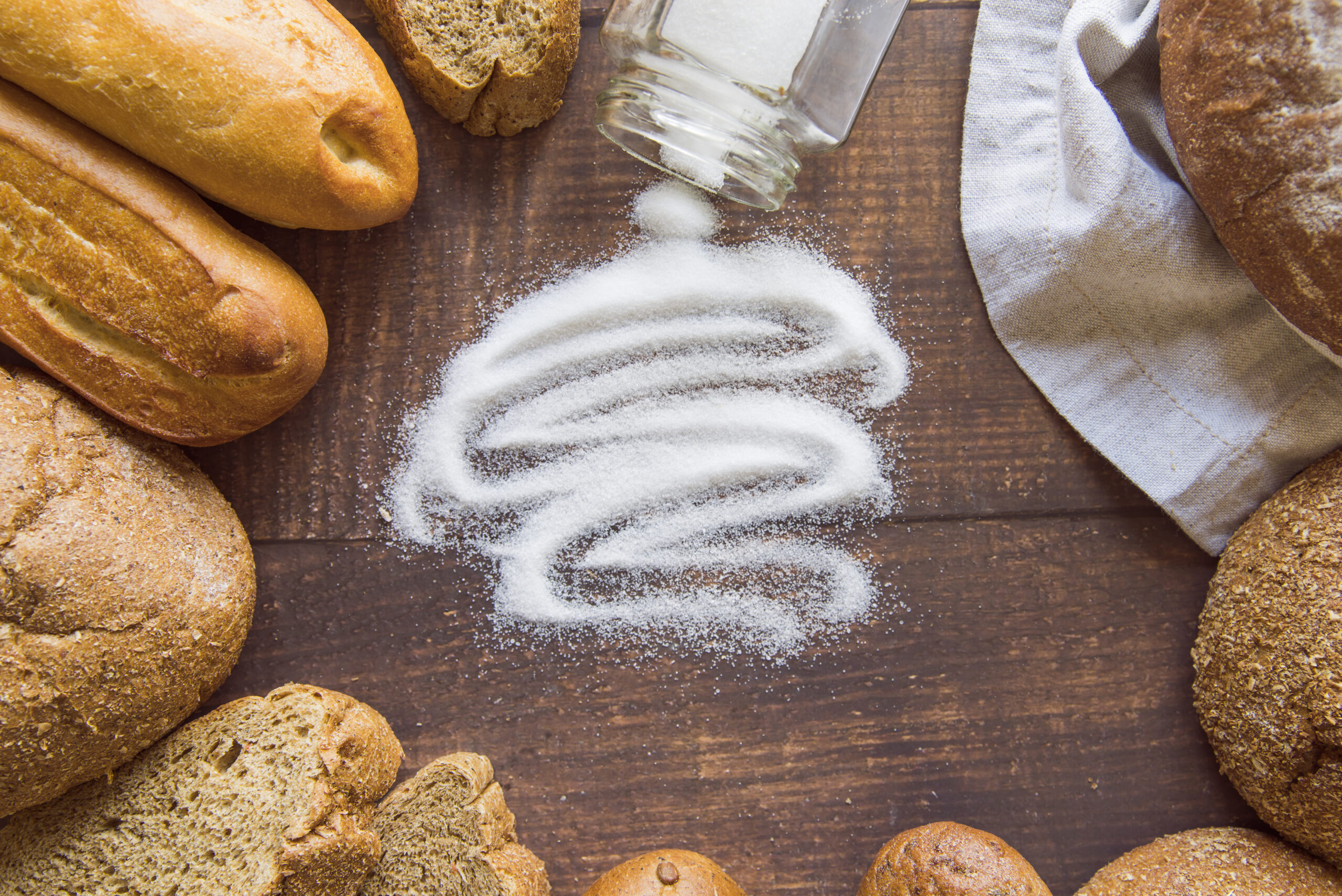
Sodium is an essential mineral that plays a key role in maintaining fluid balance, supporting cellular function, and regulating blood pressure. While our bodies require only a small amount—roughly 1/4 teaspoon of salt daily—the average person consumes far more than necessary. In fact, much of this excess comes not from the salt shaker but from hidden sources such as canned goods, processed foods, packaged snacks, and even items that don’t taste salty, like bread or breakfast cereals.
For many people, cutting back on sodium means being mindful of foods that often go unnoticed. Common sources include:
- Packaged and processed foods (ready meals, meat products, canned items)
- Everyday staples (bread, cereals, sauces, condiments)
- Dining out (fast food, restaurant, and takeaway meals)
By recognizing these hidden contributors and aiming for less than 2,300 milligrams per day—or ideally around 2,000 milligrams—you can reduce your risk of long-term health issues while still maintaining the benefits sodium provides in moderation.
Benefits of a Low-Sodium Diet
Cutting back on sodium can help manage several health conditions and reduce strain on the body.
- Heart Disease: Low-sodium diets are often recommended for people with heart conditions, including heart failure. Too much salt can cause the body to retain fluid, putting extra strain on the heart and leading to complications like shortness of breath. Research consistently shows that reducing sodium benefits those living with heart failure.
- Kidney disease: In CKD or kidney failure, the kidneys struggle to remove excess sodium and fluid, leading to higher blood pressure and further damage. Studies show that lowering sodium to under 2 grams a day may reduce blood pressure and protein in urine, though more research is needed on long-term outcomes.
- Cancer: High-salt diets have been linked to certain cancers, especially stomach cancer. Excess sodium may damage the stomach lining, increase inflammation, and promote the growth of H. pylori bacteria—all factors that can raise gastric cancer risk.
- High blood pressure: Diets high in sodium raise the risk of hypertension, which contributes to heart disease and stroke. Reducing salt intake has been shown to lower blood pressure, especially in people with elevated levels.
Low-Sodium Foods to Enjoy
Following a low-sodium diet doesn’t mean you have to limit variety. There are plenty of flavorful, nutrient-rich foods that naturally contain little sodium or come in reduced-salt options. Here are some great choices:
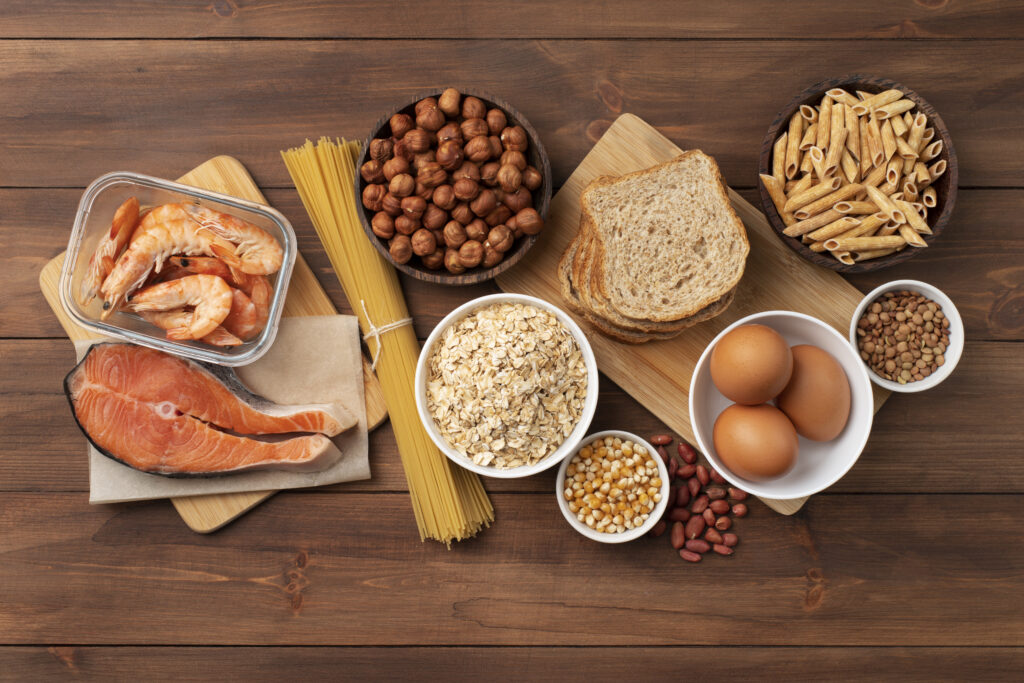
- Grains, Beans, and Legumes: Whole grains and beans are a staple for low-sodium eating. Choose dried beans, brown rice, quinoa, farro, or whole wheat pasta to round out your meals.
- Fruits and Vegetables: Fresh or frozen vegetables without added sauces—like broccoli, cauliflower, greens, and peppers—are excellent picks. Fresh, frozen, or dried fruits such as apples, bananas, berries, and pears are also naturally low in sodium. Starchy vegetables like potatoes, sweet potatoes, parsnips, and butternut squash make filling, heart-healthy sides.
- Snacks and Grains: Whole-wheat bread, unsalted crackers, and low-sodium tortillas can replace salty baked goods. For snacks, try unsalted nuts, seeds (like pumpkin seeds, almonds, and peanuts), unsalted pretzels, popcorn, or tortilla chips.
- Soups, Condiments, and Seasonings: Choose low-sodium canned or homemade soups and condiments like vinegar, mayonnaise, and low-sodium dressings or sauces. For flavor, season your meals with garlic powder, salt-free blends, herbs, and spices instead of table salt.
- Protein Options: Stick with fresh or frozen meat, poultry, and fish instead of processed varieties. Options like chicken, turkey, beef, pork, cod, sea bass, and tuna are all good choices. Eggs—whether whole or just the whites—also fit well into a low-sodium plan.
- Dairy and Fats: Look for fresh milk, yogurt, unsalted butter, and low-sodium cheeses. For healthy fats, olive oil, avocados, and avocado oil make excellent additions.
- Beverages: Water, tea, coffee, and low-sodium vegetable juices all make safe and refreshing choices.
Simple Steps to Eating Less Sodium
Lowering your sodium intake doesn’t mean sacrificing flavor or enjoyment in your meals—it simply requires awareness and a few smart habits. Here are some effective strategies to help you reduce salt in your diet:
- Limit salty foods: Cut back on high-salt snacks and processed items. Remember, sea salt is no healthier than regular table salt.
- Choose low-sodium options: Look for products labeled low sodium (140 mg or less per serving).
- Check food labels carefully: Foods with 400 mg or more per serving are considered high in sodium. Watch out for additives such as brine, monosodium glutamate (MSG), or any ingredient with “sodium” in its name.
- Use seasonings creatively: Flavor your meals with herbs, spices, garlic, ginger, lemon, pepper, or vinegar instead of relying on salt. Keep the salt shaker off the table.
- Consider salt substitutes cautiously: Some are made with potassium, which may not be suitable if you’re on a low-potassium diet. Always consult your doctor first.
- Cook more at home: Homemade meals typically contain far less sodium than instant or boxed mixes.
- Avoid softened water for cooking: It contains added salt.
- Be mindful of medications: Some, like Alka-Seltzer and Bromo-Seltzer, contain high amounts of sodium.
- Use trusted resources: Food composition books and online tools (such as CalorieKing.com) can help you track sodium levels in the foods you eat.
Conclusion
Eating less sodium is one of the simplest ways to protect your heart, kidneys, and overall health. By focusing on fresh foods, checking labels, and using herbs and spices for flavour, you can cut back on hidden salt without losing taste. Keeping your intake below 2,300 milligrams, a day supports healthy blood pressure and lowers the risk of chronic disease—small changes that bring big benefits.