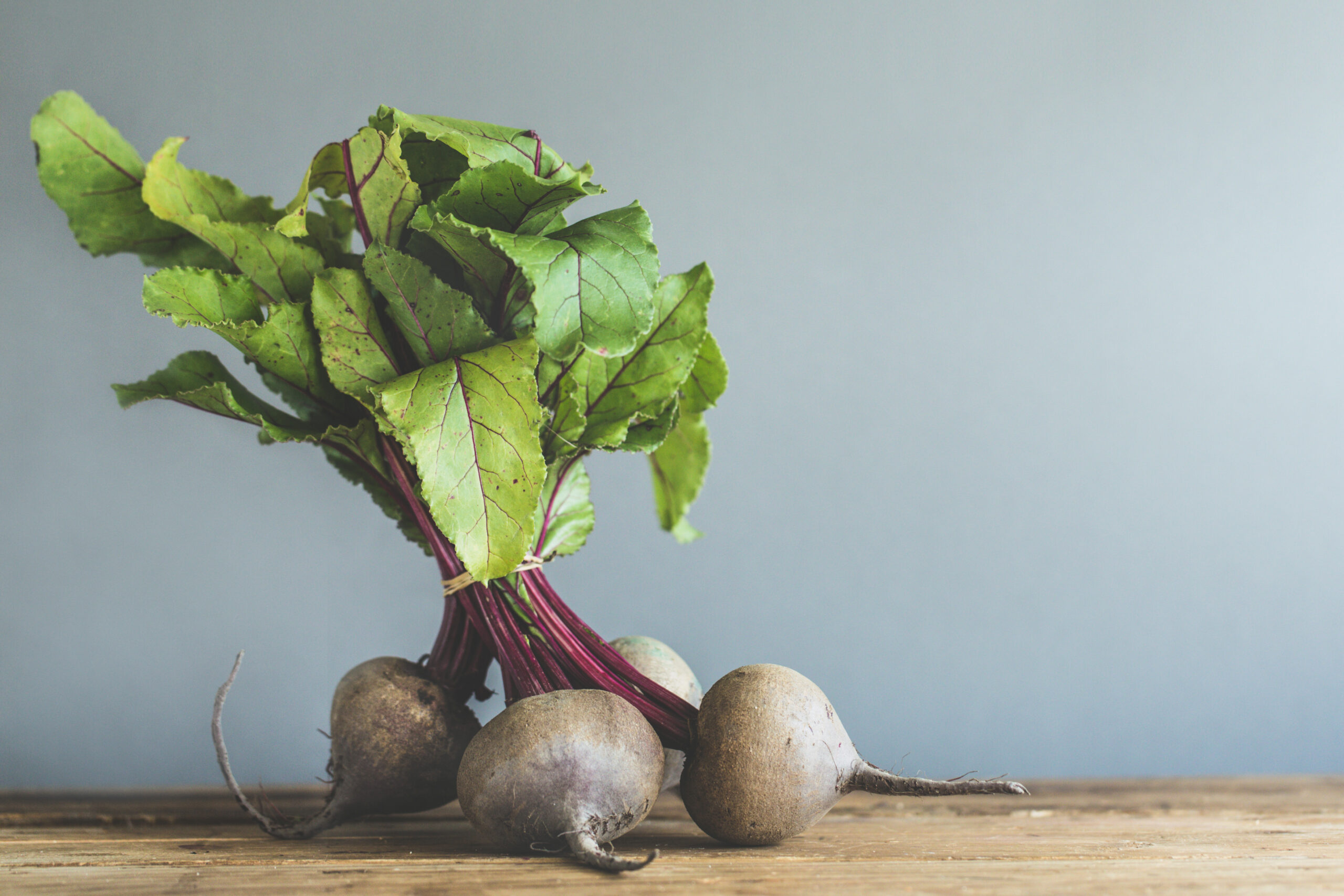
Beetroot, more commonly known as beet, is a vibrant root vegetable with a bold red hue and a distinct earthy taste. Often celebrated as a superfood, it’s packed with essential vitamins, minerals, and plant compounds that offer an impressive range of health benefits. Beyond adding color to your plate, this nutrient-dense food has been linked to medicinal properties that support overall wellness.
What makes beetroot even more appealing is its versatility—it can be enjoyed roasted with balsamic, blended into hummus, crisped into fries, or tossed into fresh salads. But beyond flavor and nutrition, beetroot has caught the attention of athletes and fitness enthusiasts alike. With growing research on its potential to enhance endurance, stamina, and physical performance, many are now asking: can beetroot actually make you faster?
What is Beetroot?
Beetroot, often simply called beet, is a root vegetable recognized for its striking deep red color and earthy flavor. It’s an ancient crop that has been cultivated for thousands of years, which explains its presence in a wide range of traditional cuisines and recipes across the globe.
Beyond its vibrant appearance, beetroot is celebrated as a nutrient-dense food, rich in vitamins, minerals, and beneficial plant compounds that contribute to its reputation as a “superfood.”
The Benefits of Beetroot
Beetroot has been valued for its health-promoting properties since the time of Ancient Greece, and modern research continues to confirm just how beneficial this vibrant root vegetable truly is. Here are some of the key reasons it deserves a place in your diet:
- Supports Heart Health – Beets are rich in dietary nitrates, which help widen blood vessels, improve circulation, and reduce blood pressure.
- Boosts Exercise Performance – The natural nitrates in beetroot can also enhance stamina and endurance, making it popular among athletes.
- Packed with Nutrients – Beets are a great source of fiber, folate, potassium, vitamin C, iron, and antioxidants, all of which contribute to overall wellness.
- Aids Digestion – Their high fiber content supports healthy digestion and keeps the gut functioning smoothly.
- Supports Brain Function – Improved blood flow from dietary nitrates may also benefit cognitive performance and slow age-related decline.
- Helps Detoxification – Compounds like betalains support the liver’s natural detox processes.
- Fights Inflammation – Beets contain antioxidants and anti-inflammatory compounds that help protect the body from chronic diseases.
Can Beetroot Improve Your Speed?
When it comes to sprinting, the benefits of beetroot are not as clear-cut as they are for endurance sports. Sprinting relies more on explosive power, fast-twitch muscle fibers, and short bursts of energy rather than sustained oxygen delivery. Since beetroot mainly works by boosting nitric oxide—which improves blood flow and oxygen efficiency—its effects are stronger in endurance events than in single, quick sprints.
However, research suggests that beetroot may be helpful during repeated sprint sessions or high-intensity interval training. By improving circulation and reducing the oxygen cost of exercise, beetroot can help athletes maintain performance across multiple sprints, reducing fatigue and slowing the drop in speed over time.
Beetroot may also provide indirect benefits for sprinters during training. Enhanced oxygen delivery can improve the efficiency of longer workouts and recovery periods, allowing athletes to train harder and adapt faster. Over time, this can contribute to better speed development, even if the immediate effect on a single sprint is small.
Finally, the antioxidants and anti-inflammatory compounds in beetroot support muscle recovery and reduce oxidative stress, which is crucial for athletes engaged in intense sprint training. So while beetroot may not make you instantly faster in one explosive burst, it can help you sustain speed, recover more effectively, and perform better in repeated efforts.
Risks of Beetroot
While beetroot is generally safe and healthy for most people, there are a few potential downsides to keep in mind:
- Kidney Stones – Beets are naturally high in oxalates, which can increase the risk of kidney stone formation, especially in people who are prone to them.
- Changes in Urine and Stool – The deep pigments in beetroot may cause your urine or stool to appear red or pink, a harmless effect known as beeturia.
- Blood Pressure Concerns – Since beets can lower blood pressure, individuals already on blood pressure medication should monitor their intake to avoid it dropping too low.
- Allergic Reactions (Rare) – Though uncommon, some people may experience allergic reactions to beetroot, such as rashes or itching.
- Drug Interactions – If you’re on medication or managing a health condition, it’s best to check with your healthcare provider before adding large amounts of beetroot or supplements to your routine.
Conclusion
Beetroot won’t make you instantly faster, but it can boost stamina, aid recovery, and help you sustain speed, making it a smart natural support for athletic performance.