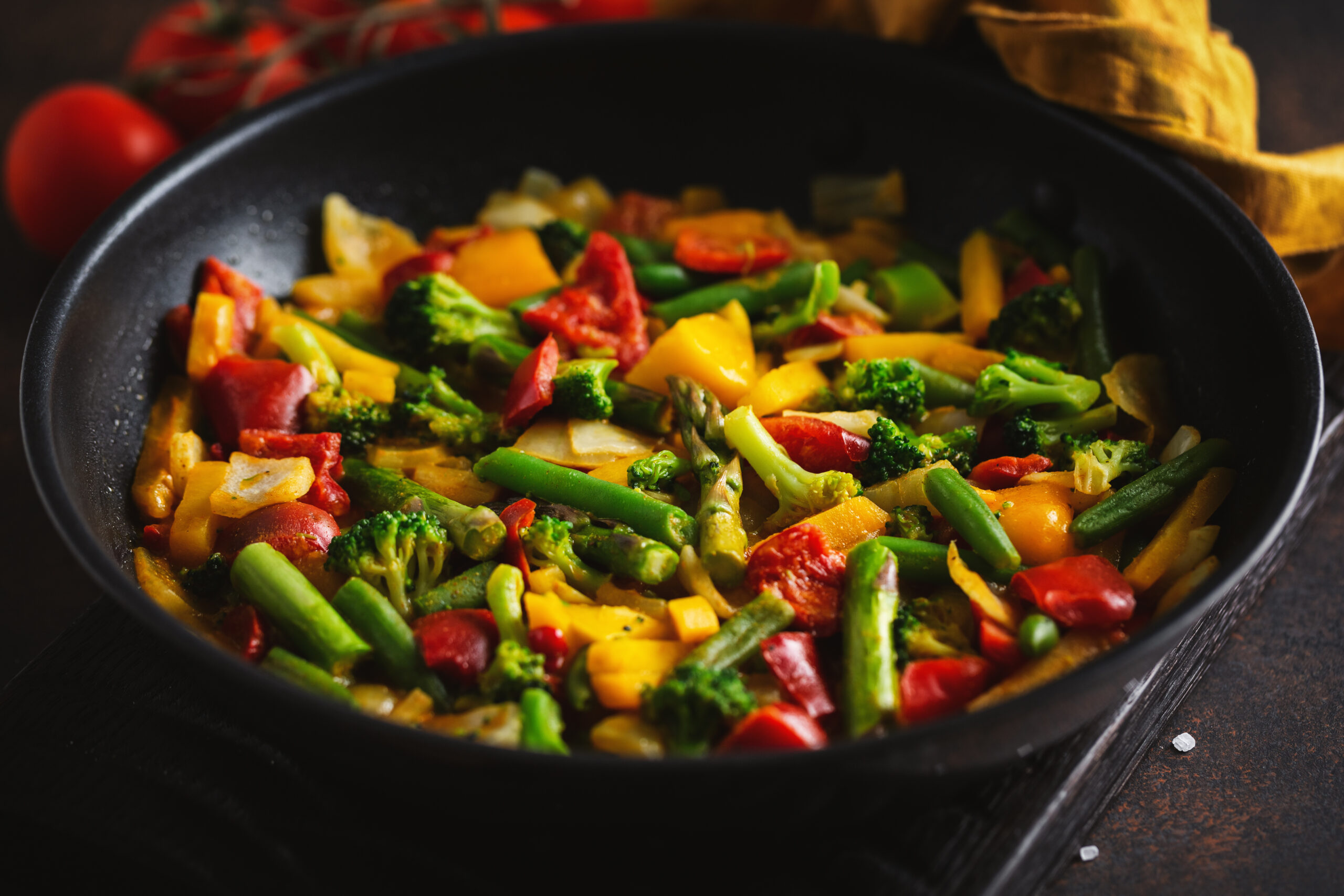
There’s something magical about roasted vegetables. With just a little heat and time, humble produce transforms into something deeply satisfying—sweet, caramelized, crisp on the edges, and tender at the centre. Roasting is one of the simplest cooking methods, yet it brings out the best in nearly every vegetable, from earthy root crops to vibrant brassicas and even mushrooms. It’s the kind of cooking that doesn’t require a recipe, only a hot oven, a drizzle of oil, and a bit of imagination.
For me, roasting also has its seasons. The oven takes centre stage in winter, when the cold outside makes the warmth and aroma of roasted vegetables irresistible. While summer has its vacuuming sessions and spring its laundry rituals, winter feels like a celebration of cozy kitchens filled with trays of golden-brown broccoli, green beans, cauliflower, and hearty roots.
Beyond the comfort they bring, roasted vegetables are a powerhouse of nutrition—packed with vitamins, minerals, and antioxidants—making them just as good for your health as they are for your taste buds.
What Does Roasting Do to Vegetables?
Roasting is one of the most flavourful ways to enjoy vegetables. The high heat softens their natural bitterness while enhancing sweetness and creating a rich, savory depth. The secret lies in the Maillard reaction, a chemical process that occurs when natural sugars and amino acids react under heat.
This reaction is the same one that gives a seared steak its crust, bread its golden surface, and marshmallows their toasty exterior. For vegetables, it means caramelized edges, concentrated flavour, and that irresistible charred goodness we crave.
The Best Vegetables to Roast
When it comes to roasting, root vegetables like potatoes, parsnips, sweet potatoes, and carrots are classics for a reason—they turn tender and caramelized in the oven. But don’t stop there. A peek into your crisper drawer will reveal plenty of other great candidates, from cruciferous veggies like broccoli and Brussels sprouts to lighter options like zucchini, onions, bell peppers, and even cabbage. Tomatoes, too, take on a rich, concentrated flavour when roasted.
Here are some top picks for roasting:
- Potatoes
- Parsnips
- Brussels sprouts
- Sweet potatoes
- Onions
- Bell peppers
- Cabbage
- Carrots
- Asparagus
- Leeks
- Broccoli
- Scallions
- Radish
- Snap peas
- Zucchini
- Summer squash
- Tomatoes
- Eggplant
- Green and red bell peppers
- Green beans
And if you’re ever unsure whether a vegetable can be roasted, try it anyway. You might discover a new Favorite—or at the very least, a tasty experiment.
How to Roast Vegetables
Step 1: Cut Your Veg
Whether you’re working with tender red onions or hearty parsnips, the key to even roasting starts with how you cut them. Aim for uniform pieces so everything cooks at the same pace.
Smaller cuts will roast more quickly and give you crispier edges, while larger chunks take longer but help prevent overcooking or burning. No matter the size you choose, consistency is what ensures you don’t end up with a tray of half-raw and half-charred vegetables.
Step 2: Get That Gloss
After cutting your vegetables into bite-sized pieces, give them a generous toss with a good-quality oil. You want just enough to lightly coat each piece so they glisten, but not so much that oil pools at the bottom of the bowl. Usually, a tablespoon or two is all you need. The oil doesn’t just prevent sticking—it helps the vegetables roast evenly, develop those delicious crispy edges, and adds a depth of flavor that makes them downright irresistible.
Step 3: Roast Until Perfectly Toasty
Roast your vegetables until they’re fork-tender and starting to brown around the edges. Softer veggies cook faster, while sturdier ones like potatoes take longer. If you’re unsure, start checking after 15 minutes and keep roasting until you see those delicious charred bits—that’s when the flavor really shines.
Step 4: Roast at High Heat
For perfectly roasted vegetables, crank the oven up to 450°F and use the lower third for maximum heat. If using two pans, place one high and one low, swapping halfway through for even cooking.
Skip the cover—steam prevents crisping. Stir once or twice so all sides brown evenly. Most vegetables take around 20 minutes, though times vary with size and type. They’re done when golden, tender, and crisp at the edges. For mixed trays, pair vegetables with similar cooking times or add the slower ones first.
Conclusion
Roasting is one of the easiest ways to turn everyday vegetables into something truly special—crispy, caramelized, and full of flavor. With the right cut, a drizzle of oil, and a hot oven, you can transform even the simplest veggies into a dish that feels both comforting and impressive. Whether for a holiday spread or a quick weeknight side, roasted vegetables are always a winning choice.